Metal Cladding Installation in Boston, MA
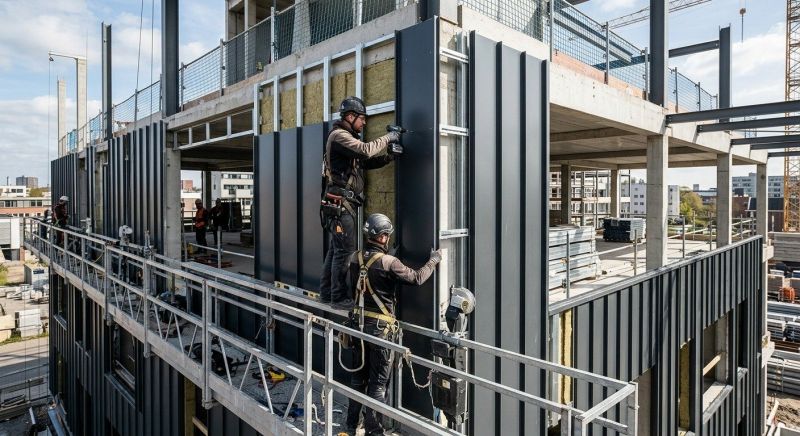
Metal cladding installation involves attaching durable metal panels to the exterior surfaces of residential properties, offering a modern and protective siding option. This service is suitable for various projects, including updating the look of a home, enhancing weather resistance, or improving insulation. Homeowners typically want to understand the different types of metal cladding available, such as aluminum or steel, as well as the benefits of choosing metal for durability and low maintenance. It’s also common to inquire about the installation process, potential impact on property value, and how metal cladding can complement existing architectural styles.
Before requesting metal cladding installation, property owners should consider factors like the overall design aesthetic, compatibility with existing materials, and the specific requirements of their building structure. It’s important to understand the scope of work involved, including any necessary preparatory steps or adjustments to existing surfaces. Clarifying these details can help ensure the chosen metal cladding meets both functional needs and aesthetic preferences, resulting in a long-lasting and visually appealing exterior upgrade.
Many property owners in Boston, MA look into Metal Cladding Installation for repairs, replacements, upgrades, and appearance-related improvements.
Enhancing Building Durability
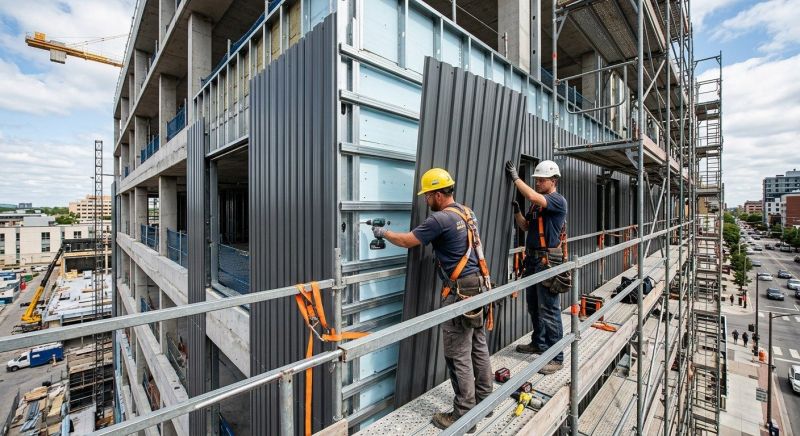
Metal cladding provides a strong, weather-resistant exterior for residential and commercial properties.
Design Versatility
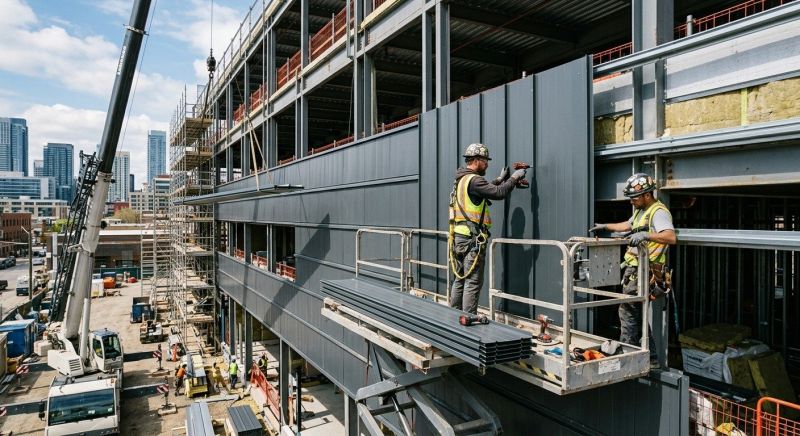
Various metal finishes and styles can complement different architectural aesthetics in boston neighborhoods.
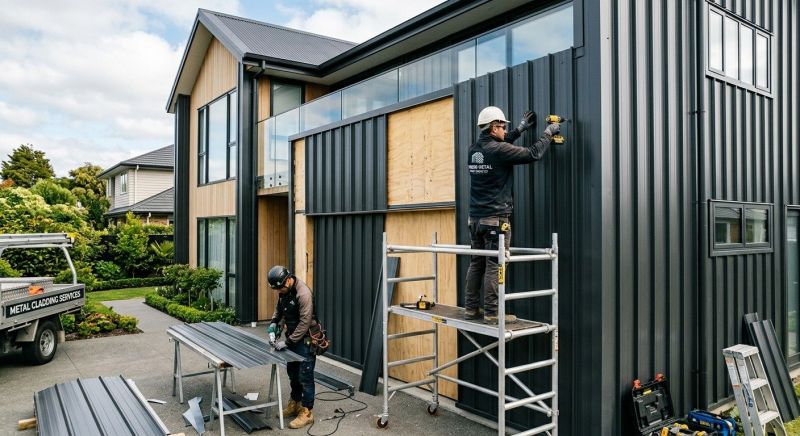
Maintenance And Longevity
Properly installed metal cladding requires minimal upkeep and can protect structures for decades.
Metal Cladding Installation in Boston, MA

Metal cladding installation involves attaching durable metal panels to the exterior surfaces of residential properties, offering a modern and protective siding option. This service is suitable for various projects, including updating the look of a home, enhancing weather resistance, or improving insulation. Homeowners typically want to understand the different types of metal cladding available, such as aluminum or steel, as well as the benefits of choosing metal for durability and low maintenance. It’s also common to inquire about the installation process, potential impact on property value, and how metal cladding can complement existing architectural styles.
Before requesting metal cladding installation, property owners should consider factors like the overall design aesthetic, compatibility with existing materials, and the specific requirements of their building structure. It’s important to understand the scope of work involved, including any necessary preparatory steps or adjustments to existing surfaces. Clarifying these details can help ensure the chosen metal cladding meets both functional needs and aesthetic preferences, resulting in a long-lasting and visually appealing exterior upgrade.
Many property owners in Boston, MA look into Metal Cladding Installation for repairs, replacements, upgrades, and appearance-related improvements.
Common Metal Cladding Installation Jobs
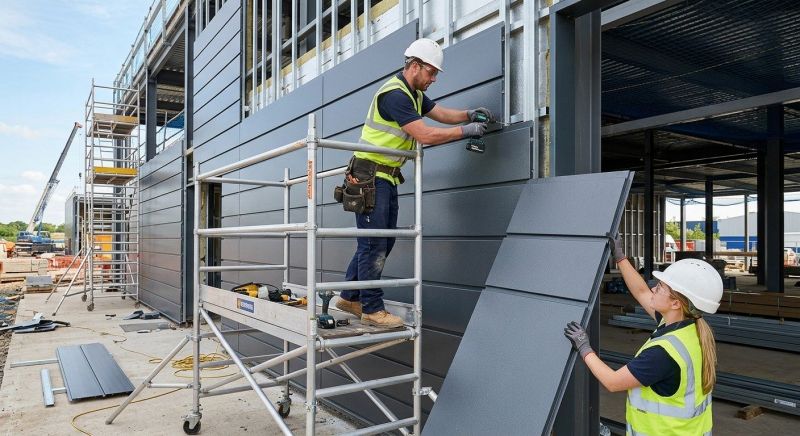
Commercial buildings - metal cladding enhances durability and provides a sleek, modern appearance.
Residential homes - metal cladding offers weather resistance and low maintenance for home exteriors.
Industrial facilities - durable metal cladding protects structures from harsh environmental conditions.
Renovation projects - upgrading with metal cladding can improve insulation and aesthetic appeal.
Facade repairs - replacing damaged or outdated cladding restores structural integrity and visual appeal.
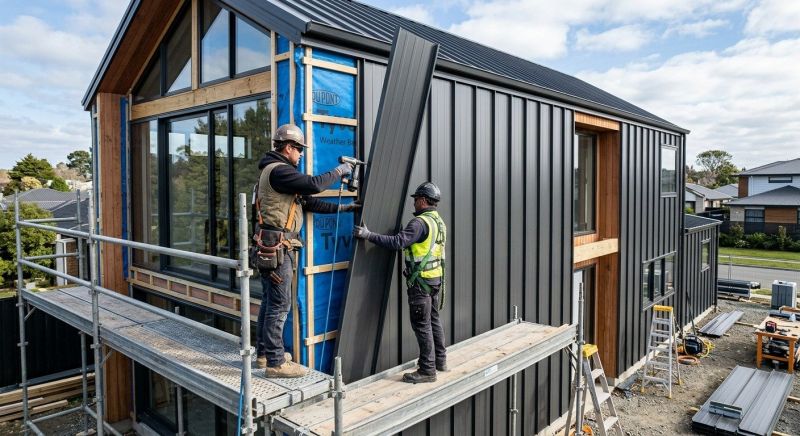
New construction - installing metal cladding adds a contemporary look and long-lasting protection.
Metal Cladding Installation Questions
What types of buildings are suitable for metal cladding installation? Metal cladding can be installed on a variety of structures including residential homes, commercial buildings, and industrial facilities to enhance durability and appearance.
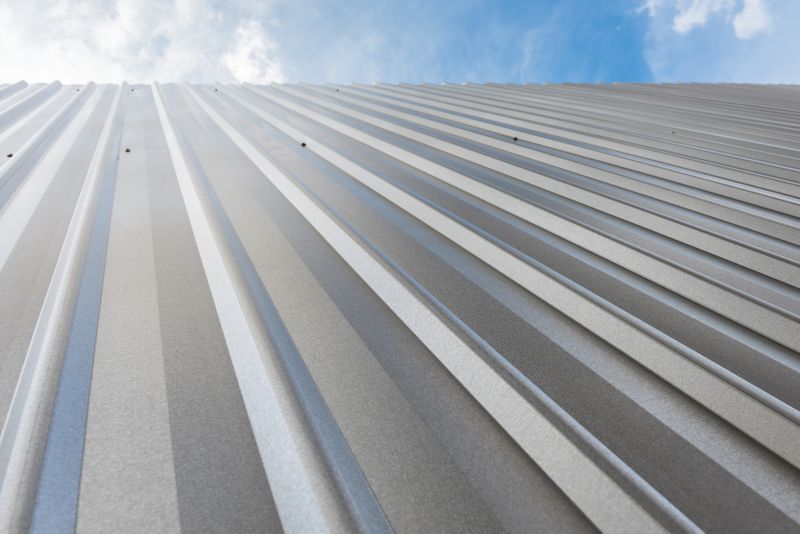
What are common materials used for metal cladding? Common options include aluminum, steel, and zinc, each offering different levels of corrosion resistance and aesthetic appeal.
Is metal cladding suitable for exterior or interior applications? Metal cladding is primarily used for exterior surfaces to protect against weather, but it can also be applied indoors for decorative or functional purposes.
What should property owners consider before installing metal cladding? It's important to evaluate the building’s structure, climate conditions, and desired look to select the appropriate material and design for the project.
Request Metal Cladding Installation in Boston, MA
Use the quote form on this page to share the basics of your project and request more information for the type of work you need.