Wood Rot Removal in Denver, CO
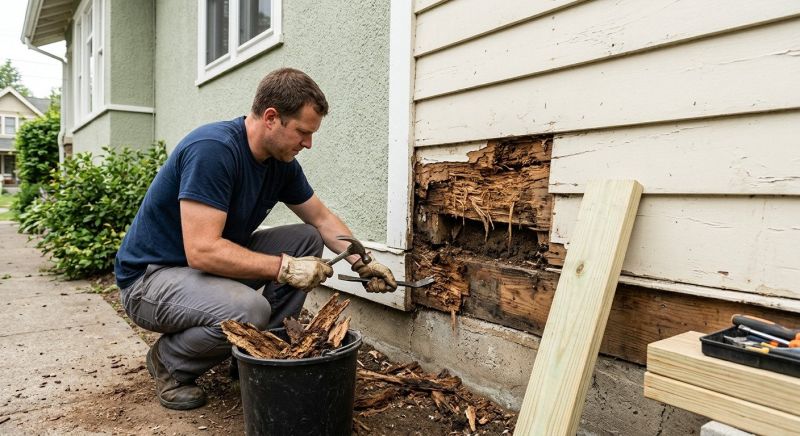
Wood rot removal services focus on identifying and eliminating decay caused by moisture and fungi that can compromise the integrity of wooden structures on residential properties. These services typically cover projects such as repairing or replacing rotted porch posts, beams, window frames, siding, and fencing. Homeowners often want to understand the extent of wood damage, the methods used for removal and replacement, and how the process can preserve the safety and appearance of their property.
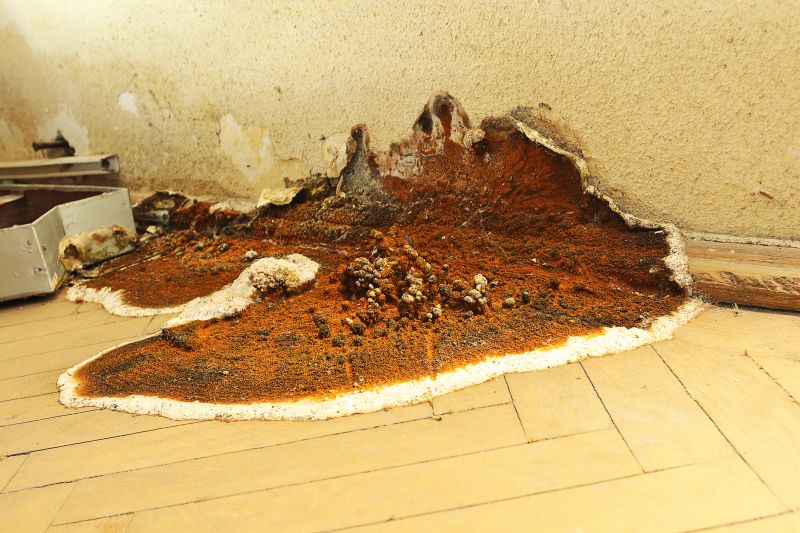
Before requesting wood rot removal, property owners should assess the visible signs of decay, such as soft or crumbling wood, discoloration, or mold growth. It is also helpful to understand the potential causes of moisture intrusion and whether repairs to gutters, drainage, or roofing are recommended to prevent future issues. Clear communication about the scope of work and the condition of affected wood can ensure that the project addresses current damage and helps maintain the property's structural stability.
Many property owners in Denver, CO look into Wood Rot Removal for repairs, replacements, upgrades, and appearance-related improvements.
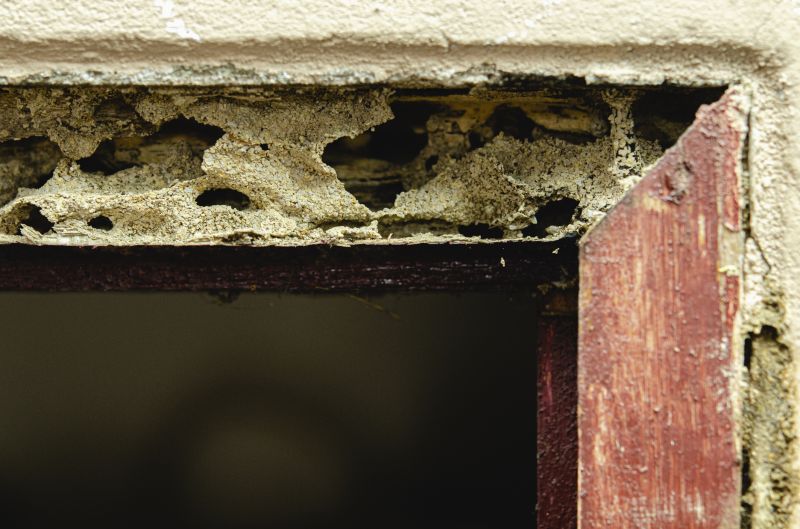
Signs Of Wood Decay
Detecting soft, discolored, or swollen wood can indicate rot and potential structural issues.
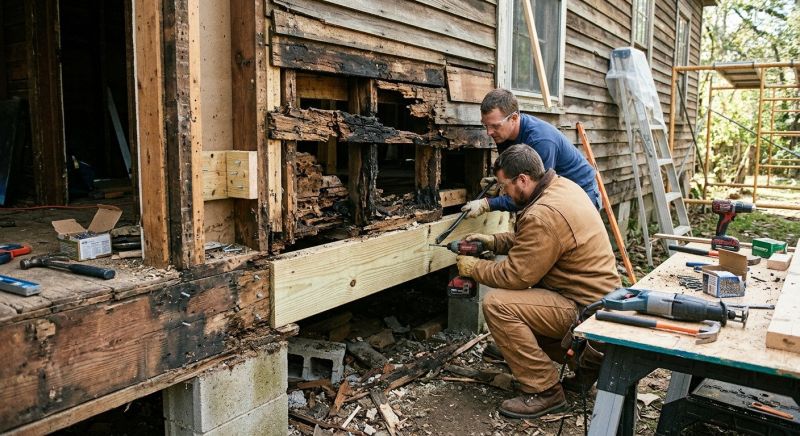
Common Causes Of Wood Rot
Excess moisture, poor drainage, and wood exposure to the elements often lead to wood deterioration.
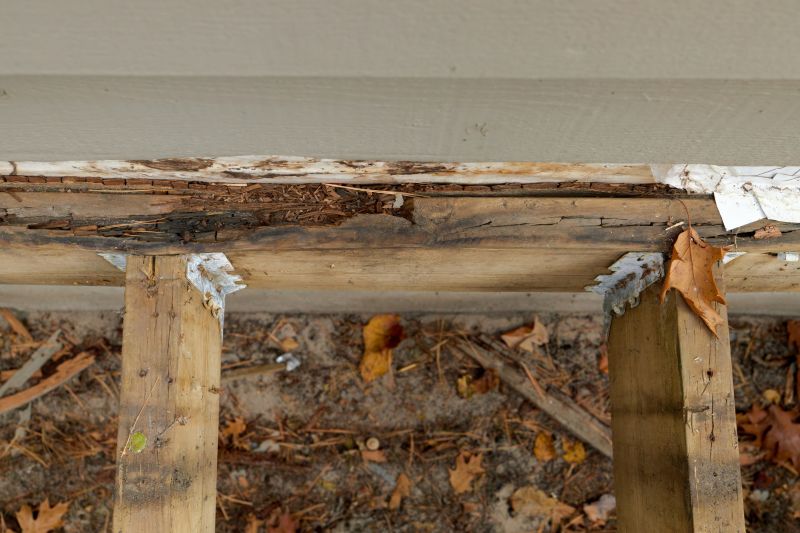
Repair And Prevention Options
Effective treatments include removal, replacement, and applying protective sealants to prevent future damage.
Wood Rot Removal in Denver, CO

Wood rot removal services focus on identifying and eliminating decay caused by moisture and fungi that can compromise the integrity of wooden structures on residential properties. These services typically cover projects such as repairing or replacing rotted porch posts, beams, window frames, siding, and fencing. Homeowners often want to understand the extent of wood damage, the methods used for removal and replacement, and how the process can preserve the safety and appearance of their property.
Before requesting wood rot removal, property owners should assess the visible signs of decay, such as soft or crumbling wood, discoloration, or mold growth. It is also helpful to understand the potential causes of moisture intrusion and whether repairs to gutters, drainage, or roofing are recommended to prevent future issues. Clear communication about the scope of work and the condition of affected wood can ensure that the project addresses current damage and helps maintain the property's structural stability.
Many property owners in Denver, CO look into Wood Rot Removal for repairs, replacements, upgrades, and appearance-related improvements.
Common Wood Rot Removal Jobs
Wood Rot Removal - Eliminates decayed wood to protect the structural integrity of a property.
Deck and Fence Repair - Restores outdoor structures affected by wood rot to ensure safety and longevity.
Siding Restoration - Replaces or repairs rotted siding to maintain curb appeal and weather resistance.
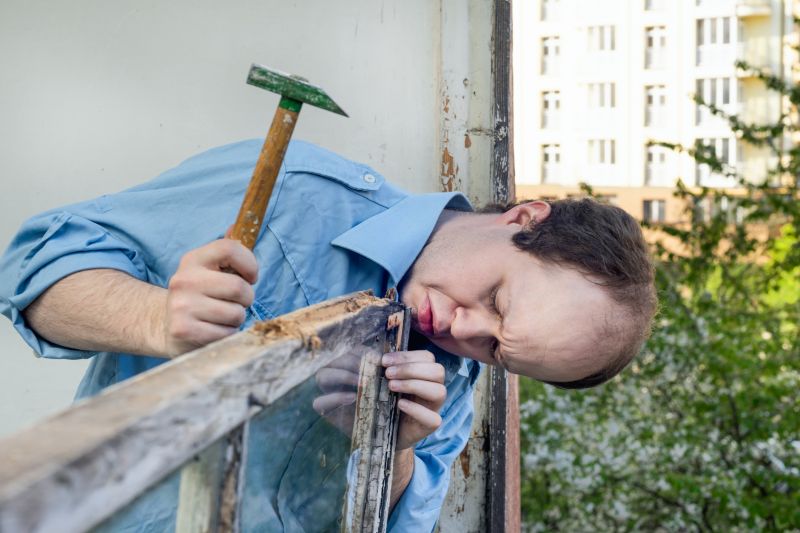
Window and Door Frame Repair - Addresses wood decay around openings to prevent drafts and damage.
Roof and Eaves Repair - Removes rotten wood from roof structures to prevent leaks and further deterioration.
Interior Wood Repair - Fixes damaged wood in walls, beams, or flooring caused by rot or moisture issues.
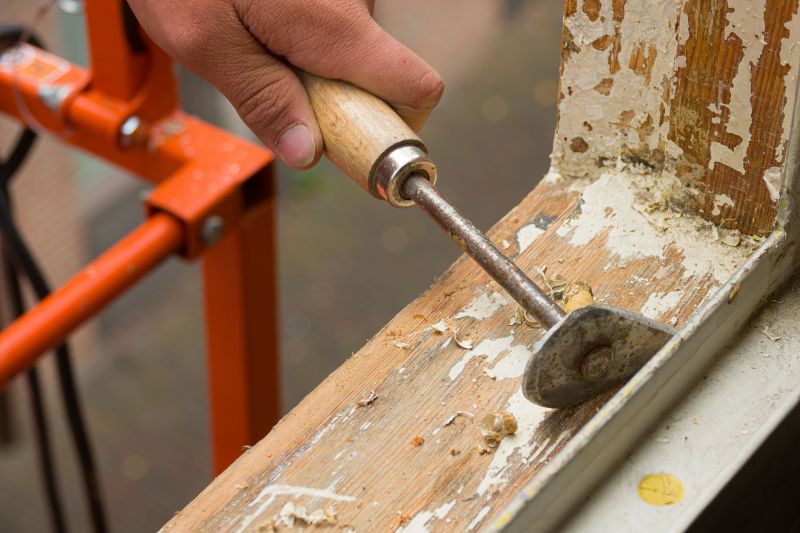
Wood Rot Removal Questions
What is wood rot removal? Wood rot removal involves identifying and eliminating decayed wood to prevent further damage and maintain structural integrity.
What types of wood structures may need removal? Common structures include decks, fences, window frames, and door jambs that show signs of decay or deterioration.
How can I tell if wood rot is present? Signs include soft, crumbly wood, discoloration, and areas that feel hollow or spongy upon inspection.
Why is prompt removal important? Addressing wood rot early helps prevent further damage, costly repairs, and potential safety hazards to the property.
Request Wood Rot Removal in Denver, CO
Use the quote form on this page to share the basics of your project and request more information for the type of work you need.